

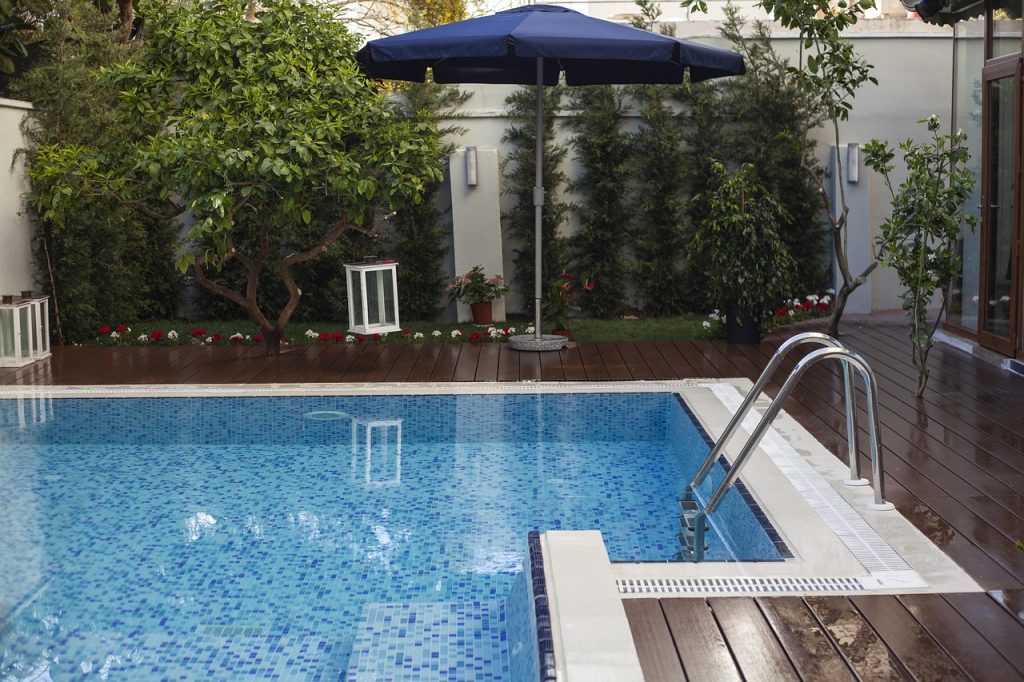
Stepping out onto your patio and seeing a backyard that truly works brings a profound sense of satisfaction. When you invest time into proper swimming pool design, your outdoor area transforms from a simple grassy patch into a private retreat for relaxation and entertainment. A well-designed pool area acts as the ultimate extension of your indoor living space, elevating your daily lifestyle and increasing your property value significantly over time.
Achieving this balance requires careful planning, a clear understanding of your yard’s layout, and thoughtful choices regarding materials and features. Whether you want a lap pool for exercise or a gentle lagoon for weekend lounging, the right approach makes all the difference. By blending architectural style, environmental factors, and personal preferences, you can create a customized oasis that serves your family’s needs for decades.
Understanding the Fundamentals of Swimming Pool Design
Every great backyard project starts with a solid foundation. Before picking out tiles or water features, you need to map out how the space functions in your daily life. Think about sun exposure, wind patterns, and how you move from your house to the garden. Analyzing these natural patterns ensures that your pool placement feels intuitive rather than forced.
Professional swimming pool design connects the architecture of your home with the natural landscape. If your house features clean, modern lines, a geometric pool with sharp corners and dark interior plaster often creates a striking visual harmony. On the other hand, traditional homes tend to pair better with freeform shapes and natural stone coping. Furthermore, consider the prevailing winds in your region; positioning the pool so that the wind blows surface debris toward the skimmer box will save you countless hours of manual skimming later.
- Assess your property boundaries and local zoning laws early to avoid costly layout changes later, keeping setbacks and easement requirements in mind.
- Observe where the sun hits your yard throughout the day to find the warmest spot for swimming, maximizing natural solar heating and minimizing chill.
- Consider sightlines from your kitchen and living room windows so the pool view enhances your interior living space, creating a seamless indoor-outdoor connection.
Balancing Aesthetics and Everyday Practicality
A stunning pool loses its appeal quickly if it is impossible to clean or awkward to use. Smart swimming pool design always accounts for maintenance requirements, safety barriers, and durable materials that withstand local weather conditions. Ease of maintenance directly correlates with how often you will actually enjoy your investment rather than spending weekends scrubbing tile lines.
Choosing the right deck material matters just as much as picking the pool finish. Poured concrete, natural stone, and engineered pavers each retain heat differently and offer varying levels of slip resistance when wet. For instance, travertine stays remarkably cool under bare feet even during scorching summer afternoons, whereas dark flagstone can absorb intense heat. Safety fences and automated pool covers should blend into the overall aesthetic rather than looking like an afterthought, utilizing transparent glass panels or sleek aluminum designs that maintain clear sightlines across the yard.
- Select slip-resistant decking materials around the perimeter to prevent slips and falls during wet weather, especially near steps and diving boards.
- Position equipment pads and pool pumps behind landscaping screens to keep mechanical noise away from seating areas, ensuring peaceful relaxation.
- Incorporate shallow tanning ledges for lounging in a few inches of water without fully submerging, which is also ideal for toddlers and small pets.
Integrating Landscape and Hardscape Elements
Your pool should not sit in an isolated concrete box. Surrounding vegetation, retaining walls, and outdoor lighting turn a basic backyard into a cohesive outdoor living environment. Planting choices need to be resilient against occasional splashes of chlorinated or saltwater, while also avoiding aggressive root systems that could potentially damage underground plumbing and structural shells.
Lighting plays a double role in swimming pool design. Underwater LED fixtures create a glowing nocturnal atmosphere for evening swims, while strategically placed path lights ensure safe navigation around the deck after dark. Combining these elements adds depth and dimension to your yard once the sun goes down, transforming a dark perimeter into a magical evening entertainment zone. Think about incorporating color-changing LED lights to set different moods, from vibrant party atmospheres to calm, serene blue hues.
- Choose low-shedding trees and shrubs, such as ornamental grasses and boxwoods, to minimize the amount of leaves and debris falling into the water.
- Install multi-zone lighting to highlight architectural water features and ensure safety along pathways, steps, and elevation changes.
- Use pergola structures or shade sails near the pool edge to provide necessary relief during hot summer afternoons without crowding the open pool deck.
Strategic planting acts as a natural windbreak and provides privacy from neighboring properties without blocking your favorite views.
Common Pitfalls to Avoid During the Planning Stage
Many homeowners rush into construction without considering long-term use. One frequent mistake is building a pool that overwhelms the entire yard, leaving no room for a patio table, a lawn for pets, or a garden bed. Overbuilding can drastically restrict your ability to host larger gatherings or add future amenities like an outdoor kitchen or a fire pit.
Another oversight involves underestimating drainage needs and soil composition. Proper grading ensures that rainwater flows away from your home’s foundation and does not flood the pool deck or wash away surrounding landscaping beds. Working with experienced professionals helps catch these engineering details before digging begins, preventing structural shifting and expensive drainage retrofits down the line.
- Avoid oversized pools that leave zero functional green space or patio seating around the perimeter, maintaining a balanced ratio between water and land.
- Do not skip professional soil testing, as underground rock formations, high water tables, or expansive clay can drastically increase excavation and structural reinforcement costs.
- Plan your utility lines for future upgrades like outdoor kitchens, hot tubs, or pool heaters right from the start to avoid tearing up finished concrete later.
Frequently Asked Questions
How long does the design and construction process typically take?
The timeline varies based on local permit approvals, weather conditions, and the complexity of your yard’s grading. Generally, the planning and design phase takes a few weeks, while actual construction can span anywhere from six to twelve weeks depending on custom features like vanishing edges, rock waterfalls, or attached spas.
What shape is best for a small backyard?
Geometric shapes like rectangles or square plunge pools make efficient use of compact spaces. They often allow for built-in bench seating, swim jets, or compact spas without crowding the surrounding patio, providing maximum usability in a limited footprint.
How do I choose the right interior finish?
Your choice depends on your budget, desired water color, and texture preferences. Traditional plaster is the most affordable option, while pebble aggregate finishes and glass tiles offer superior durability, resistance to chemical etching, and stunning visual sparkle that lasts for decades.
Your Next Steps Toward a Better Backyard
Creating an exceptional outdoor space takes patience, clear priorities, and reliable partners. Take time to collect inspiration photos, talk to local builders, and map out your family’s actual needs before breaking ground on any heavy excavation. With thoughtful swimming pool design, your backyard will remain a favorite gathering place for relaxation, celebration, and everyday enjoyment for years to come.