

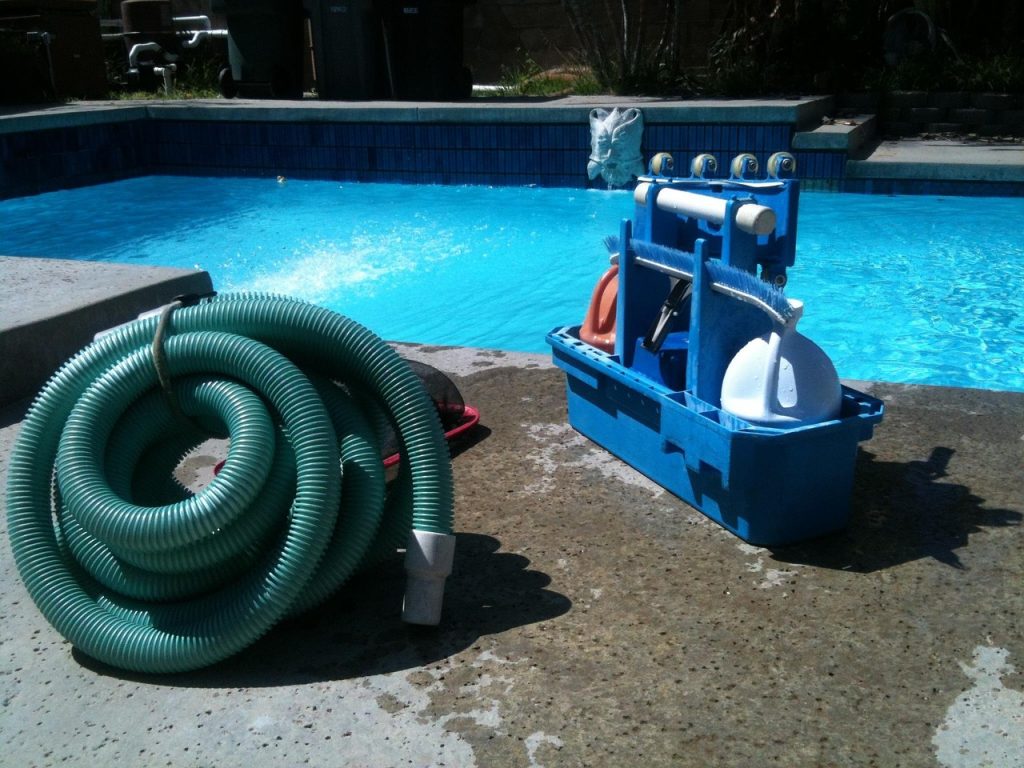
Keeping a swimming pool clean can feel like a part-time job if you do not have the right gear on hand. Leaves blow in, algae blooms in the summer heat, and fine dust settles on the bottom before you even notice. Having a reliable set of pool cleaning equipment transforms this endless chore into a simple, manageable routine.
Understanding which tools actually matter will save you both time and money at the hardware store. Let us break down the core items every pool owner needs to maintain a pristine swimming environment from spring opening to winter close.
The Core Manual Tools Every Owner Needs
Even if you rely on automated systems, manual pool cleaning equipment remains essential for spot-cleaning and detailed upkeep. Skimmer nets are your first line of defense against floating debris. A sturdy leaf rake with a deep mesh bag lets you scoop up stubborn leaves and bugs before they sink and stain your pool floor.
You also need a reliable telescoping pole and a heavy-duty brush to scrub the walls and tile line. Brushing prevents algae from gaining a foothold in microscopic crevices. Pair your pole with a flexible vacuum head and a dedicated vacuum hose to suck up settled dirt directly through your filtration system. When vacuuming manually, move the head slowly across the floor in overlapping strokes to avoid kicking up silt back into the water column, which can temporarily cloud your pool.
- Choose a skimmer net with a flat front edge to easily scoop debris off the bottom step.
- Select a nylon brush for vinyl liners or a stainless steel wire brush for concrete pools to protect your surfaces.
- Store your telescoping poles off the ground out of direct sunlight to prevent warping and cracking.
- Invest in a quality vacuum hose with swivel cuffs to prevent annoying twists and kinks while maneuvering around corners.
Automated Pool Cleaning Equipment Options
Automation saves you hours of physical labor each week by taking over the heavy lifting of scrubbing and vacuuming. Suction-side cleaners hook directly into your skimmer and use your existing pump to crawl along the floor. Pressure-side cleaners attach to a dedicated return line and use water pressure to sweep up larger debris into an attached filter bag. Many pressure-side models even feature a small tail sweep at the back that whips around to blast settled dust toward the main drain.
Robotic cleaners represent the gold standard of modern pool maintenance. These plug-in units operate independently of your pool pump, running on low-voltage transformers while scrubbing floors and walls with internal brushes. They trap fine particles in their own onboard filter canisters, sparing your main pool filter from heavy loads. Because they utilize intelligent navigation software, robotic cleaners map out your pool’s dimensions to ensure complete coverage without missing tight corners or deep end slopes.
- Suction-side models work best for pools with simple shapes and moderate debris loads from surrounding trees.
- Robotic cleaners offer the highest energy efficiency because they do not rely on your main pool pump to run.
- Empty and rinse cleaner filter bags after every cycle to maintain optimal suction power.
- Inspect the drive tracks and scrubbers on automated cleaners monthly to remove hair and tangled debris that can slow down internal motors.
Water Testing Kits and Chemical Dispensers
Clean water is not just about removing physical leaves and dirt; chemical balance is equally vital. Basic test strips give you a quick reading of chlorine, pH, and total alkalinity levels. Liquid test kits provide higher accuracy for homeowners who want precise control over their water chemistry, allowing you to catch minor imbalances before they escalate into corrosive or scaling conditions.
Floating chemical dispensers or automatic chlorinators release sanitizer slowly to keep bacteria at bay between manual treatments. Using the right pool cleaning equipment for testing ensures your sanitizers work efficiently without irritating swimmers’ eyes or skin. Always measure chemicals carefully and store them in a cool, dry shed away from direct sunlight. Never mix different chlorine types or pool chemicals in a bucket, as hazardous chemical reactions and toxic gases can occur.
Routine Maintenance Schedule for Best Results
Consistency is the secret to a sparkling pool that stays clear all season long. Establishing a weekly routine prevents minor issues from snowballing into expensive algae outbreaks. Break your chores down into daily, weekly, and monthly tasks to keep the workload light, ensuring your filtration system operates at peak performance throughout the heavy swimming months.
- Skim the surface and check chemical levels every single day during the peak summer swimming season to catch organic debris early.
- Vacuum the floor and brush the walls thoroughly once a week to dislodge hidden dirt and algae spores before they can multiply.
- Inspect your pump basket, skimmer baskets, and filter pressure gauges every fortnight to ensure proper water flow and prevent strain on the motor.
- Backwash your sand or DE filter, or rinse your cartridge filter, whenever the pressure gauge reads 8 to 10 psi above the normal clean operating baseline.
Frequently Asked Questions
How often should I run my pool cleaning equipment?
Your main filtration pump should run long enough to turn over the entire volume of water once or twice a day, typically six to eight hours depending on pump horsepower and pool size. Robotic and manual tools should be used as needed, usually resulting in a thorough vacuuming session once a week.
Can I leave my automatic pool cleaner in the water permanently?
Leaving a robotic or suction cleaner in the water 24/7 can degrade the plastic components and rubber treads prematurely due to constant exposure to sanitizing chemicals and UV rays. Pull the cleaner out of the pool after each cycle, loosely coil the power cord if applicable, rinse it with fresh water, and store it in a shaded area.
What is the difference between a pool brush and a vacuum head?
A pool brush is designed to scrub algae and biofilm off walls and tiles into the water column so the filter can catch it. A vacuum head is specifically engineered to suck up settled dirt and debris from the bottom of the pool directly to waste or through the filter system.
Enjoy Your Backyard Oasis
Investing in quality pool cleaning equipment takes the guesswork out of water maintenance and protects your overall investment. When you have the right brushes, nets, and automated helpers ready to go, pool upkeep stops feeling like a burden. Take time to care for your gear properly by rinsing off residual chemicals and storing accessories in a dry location, and it will reward you with clear, inviting water all summer long.